The Psychology of Colors in Vehicle brandin: Unveiling the Secrets to Effective Branding

The Psychology of Colors in Vehicle Branding: Unveiling the Secrets to Effective Branding

In the competitive realm of vehicle branding, the psychology of colors holds immense power. Brands leverage color psychology to evoke emotions, convey messages, and leave lasting impressions. Let’s delve deeper into how each hue influences consumer perceptions and drives branding success.

The Psychology of Colors

Color psychology is the study of how colors affect human behavior and emotions. In the context of vehicle branding, understanding color psychology is paramount to creating designs that resonate with target audiences.

Importance in Vehicle Branding

The choice of colors in vehicle branding goes beyond aesthetics; it’s a strategic decision that impacts branding, marketing, and consumer perception. Harnessing the psychological effects of colors can elevate brand visibility and drive engagement.

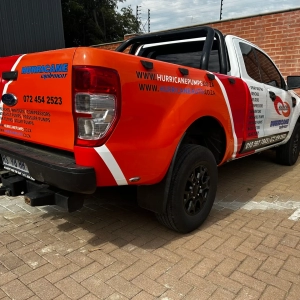
Red: Bold and Attention-Grabbing

Red is synonymous with passion, energy, and urgency. In vehicle branding, red commands attention and elicits strong emotions. Brands use red to convey excitement, power, and urgency, making it ideal for promotions and bold statements.

Psychology of colors in vehicle branding
IMG-20230929-WA0005
WhatsApp Image 2023-08-15 at 14.23.26

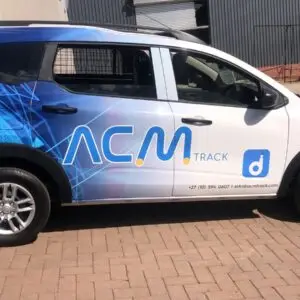
Blue: Trustworthy and Reliable

Blue instills a sense of trustworthiness, reliability, and professionalism. Brands often utilize blue in vehicle wraps to establish credibility, instill confidence, and evoke feelings of security and stability.

Yellow: Optimistic and Energetic

Yellow radiates warmth, optimism, and energy. In vehicle branding, yellow is employed to convey positivity, enthusiasm, and youthfulness. It grabs attention and creates a vibrant, upbeat atmosphere.

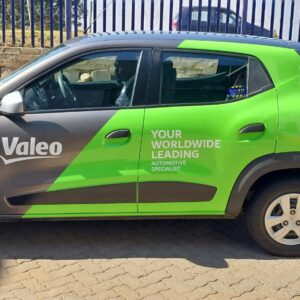
Green: Natural and Refreshing

Green symbolizes nature, growth, and harmony. Vehicle branding adorned with green hues evoke feelings of freshness, eco-friendliness, and sustainability. It resonates with environmentally-conscious consumers and promotes a sense of well-being.

ACM Side
psychology of colors in vehicle branding
Psychology of colors in vehicle branding

Black: Elegant and Sophisticated

Black exudes sophistication, elegance, and luxury. In vehicle branding, black signifies exclusivity, power, and prestige. It adds a touch of elegance and refinement, making a bold statement on the road.

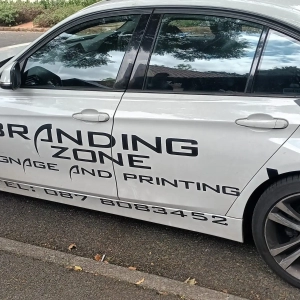
White: Clean and Modern

White represents purity, cleanliness, and simplicity. Vehicle branding featuring white convey a sense of modernity, minimalism, and sophistication. It provides a clean canvas for branding elements to stand out.

Orange: Vibrant and Playful

Orange radiates vibrancy, warmth, and playfulness. Brands use orange in vehicle branding to inject energy, creativity, and excitement. It grabs attention and exudes a youthful, adventurous spirit.

WhatsApp Image 2024-02-14 at 12.44.48_04a602d2
WhatsApp Image 2024-03-15 at 13.59.22_adb703be
Psychology of colors in vehicle branding

Purple: Creative and Imaginative

Purple is associated with creativity, imagination, and luxury. Vehicle branding adorned with purple hues appeal to artistic sensibilities and evoke feelings of luxury, creativity, and individuality.

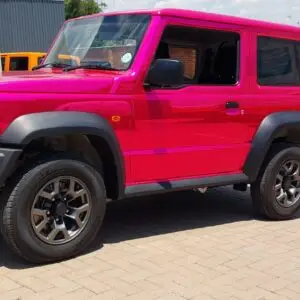
Pink: Feminine and Romantic

Pink evokes femininity, romance, and tenderness. Brands targeting a feminine audience utilize pink in vehicle branding to create a sense of elegance, romance, and sophistication.

Brown: Earthy and Stable

Brown signifies earthiness, stability, and reliability. In vehicle branding, brown conveys durability, ruggedness, and authenticity. It appeals to outdoor enthusiasts and projects a sense of groundedness.

Gray: Neutral and Timeless

Gray is synonymous with neutrality, balance, and timelessness. Vehicle branding featuring gray hues offer versatility, sophistication, and understated elegance. It complements a wide range of branding aesthetics.

FAQ

Most frequent questions and answers

Color plays a crucial role in vehicle wrap design as it influences consumer perceptions, emotions, and brand identity. Each color evokes distinct feelings and conveys specific messages, allowing brands to communicate effectively with their target audience.

Brands can use color psychology to evoke desired emotions, create memorable experiences, and differentiate themselves from competitors. By understanding the psychological effects of colors, brands can tailor their vehicle wraps to resonate with their target audience and drive brand recognition.

Yes, certain colors are more effective for specific industries based on their associated meanings and connotations. For example, blue is often used by tech companies to convey trust and reliability, while green is favored by eco-friendly brands to symbolize sustainability.

Businesses can ensure their vehicle wraps align with their brand identity by selecting colors, fonts, and imagery that reflect their brand personality and values. Consistency across all branding elements helps reinforce brand recognition and establish a strong brand identity.

When choosing colors for vehicle branding, brands should consider their target audience, industry norms, cultural associations, and the intended message. It’s essential to select colors that resonate with the target demographic and effectively communicate the brand’s identity and values.

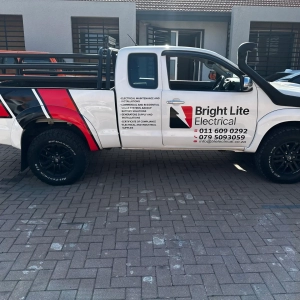
Yes, changing the color of a vehicle branding can significantly impact consumer perception. Different colors evoke different emotions and associations, influencing how consumers perceive a brand and its offerings. By choosing the right colors, brands can shape consumer attitudes and behaviors.

Psychology of colors!

In conclusion, the psychology of colors in vehicle branding is a powerful tool for brands to convey messages, evoke emotions, and establish a strong brand identity. By understanding the impact of different colors on consumer perceptions, businesses can create vehicle branding that resonate with their target audience and drive engagement. From bold and attention-grabbing reds to trustworthy blues and vibrant yellows, each color carries its own significance and can be strategically used to enhance brand visibility and recognition. By incorporating color psychology into vehicle brand design, brands can leave a lasting impression on viewers, differentiate themselves from competitors, and ultimately, drive success in their marketing efforts. So, the next time you’re considering a vehicle wrap for your brand, remember the importance of color psychology and the role it plays in shaping consumer perceptions. Choose your colors wisely, and watch as your vehicle wrap becomes a powerful tool for brand storytelling and communication.

Let Us know if you need help getting your brand Noticed

Name

Leave A Comment

Your email address will not be published. Required fields are marked *